
Glaucoma Testing Explained: What to Expect

Glaucoma Testing Explained: What to Expect

Glaucoma Testing Explained: What to Expect

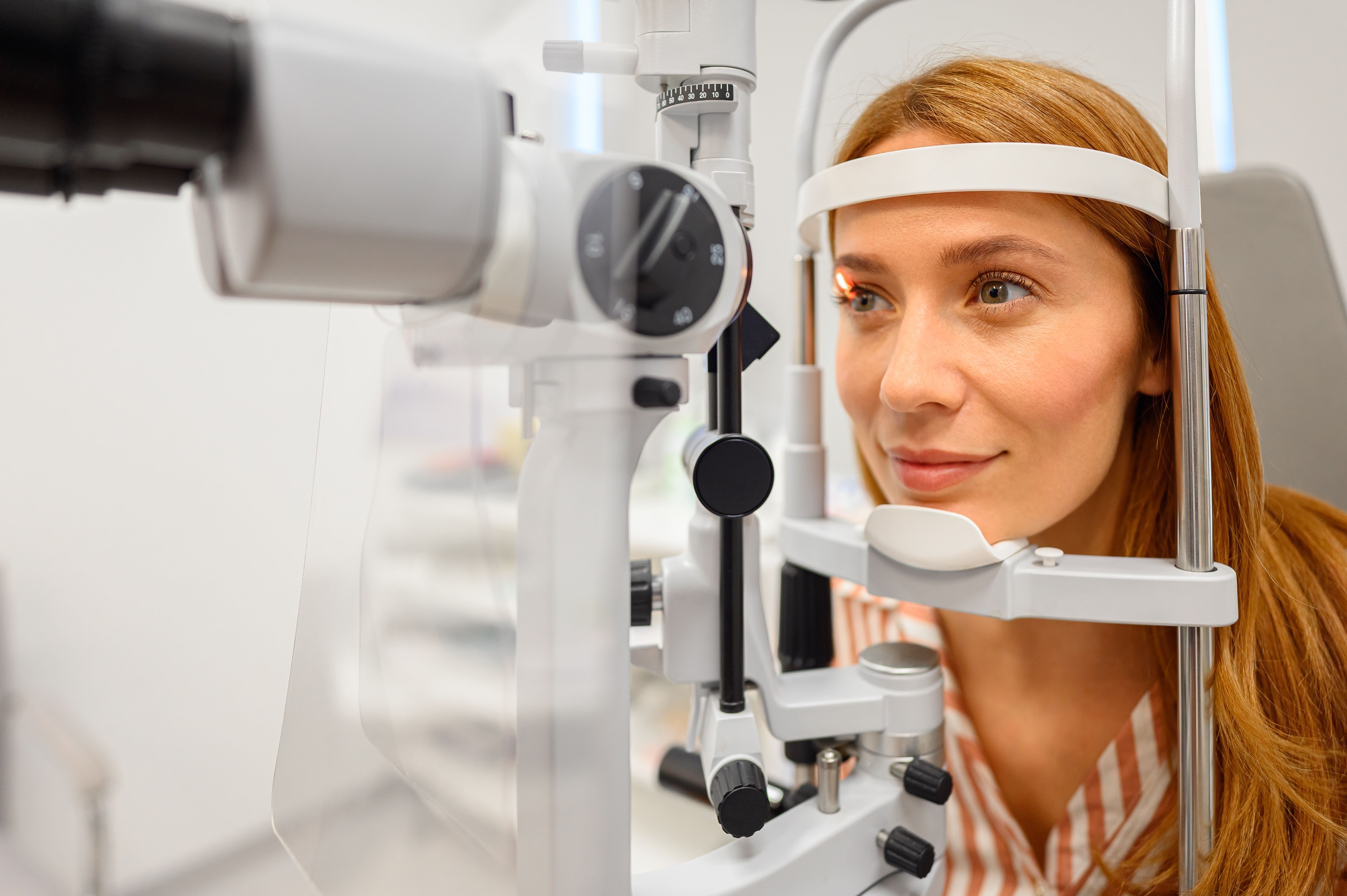
Your eyesight is one of your most valuable assets, yet certain eye conditions can threaten it without noticeable warning signs. Glaucoma is one of those conditions. Often developing quietly and painlessly, it can cause irreversible vision loss before you’re even aware there’s a problem. At Vision Source Grove Heights, we prioritize early detection through glaucoma testing and patient education to protect your long-term vision.
What Is Glaucoma?
Glaucoma is a group of eye diseases that damage the optic nerve, the vital structure that sends visual information from your eye to your brain. This damage is commonly associated with increased intraocular pressure (IOP), or pressure inside the eye, although glaucoma can also occur with normal eye pressure.
Without treatment, glaucoma can lead to peripheral vision loss and, eventually, blindness. The good news is that with early detection and proper management, vision loss can often be slowed or prevented.
Why Regular Glaucoma Testing Is Essential
Because glaucoma typically has no early warning signs, regular comprehensive eye exams are the only reliable way to detect it in its earliest stages.
You may be at higher risk if you:
- Are over age 40
- Have a family history of glaucoma
- Have diabetes or high blood pressure
- Are African American, Hispanic, or Asian
- Have a history of eye injury
- Use corticosteroid medications long-term
Even if you do not have risk factors, routine glaucoma screening is an important part of maintaining long-term eye health. Early detection allows for treatment before significant vision loss occurs.
What to Expect During Glaucoma Testing
Many patients are surprised to learn that glaucoma testing is simple, quick, and painless. During your comprehensive eye exam at Vision Source Grove Heights, your optometrist may perform several tests to evaluate your eye health and detect signs of glaucoma.
1. Tonometry (Eye Pressure Test)
This test measures the pressure inside your eye. It may be done using a gentle puff of air or a device that lightly touches the surface of your eye after numbing drops are applied. Elevated eye pressure can be a key risk factor for glaucoma.
2. Optic Nerve Evaluation
Your doctor will carefully examine the optic nerve using specialized imaging or magnification tools. This helps detect early structural changes that could indicate glaucoma.
3. Visual Field Testing
Glaucoma often affects peripheral vision first. A visual field test maps your side vision and can detect subtle changes you may not notice in daily life.
4. Corneal Thickness Measurement
The thickness of your cornea can influence eye pressure readings. Measuring corneal thickness helps your doctor interpret test results more accurately.
Not every patient requires every test at each visit. Your eye doctor will recommend testing based on your age, risk factors, and overall eye health.
How Often Should You Be Tested?
Most adults should have a glaucoma exam every annually. Patients at higher risk for glaucoma may need more frequent evaluations. If you have already been diagnosed with glaucoma, regular monitoring is essential to ensure treatment remains effective. At Vision Source Grove Heights, we tailor testing schedules to your specific needs to ensure your eyes receive the care they deserve.
Protect Your Vision with Proactive Care
Glaucoma may be silent, but protecting your sight does not have to be complicated. Routine eye exams and advanced diagnostic technology make early detection possible.
Schedule your glaucoma test at Vision Source Grove Heights and take the first step toward safeguarding your sight for the future. Visit our office in Houston, Texas, or call (346) 782-0288 to book an appointment today.


quick contact form
contact info
office hours
- Mon, Tues, Thurs, Fri10:00 AM to 6:00 PM
- Wed9:00 AM to 1:00 PM
- SaturdayBy Appointment Only
- SunClosed
© 2022 Vision Source Grove Heights - All Rights Reserved - Accessibility Statement
Powered by:
